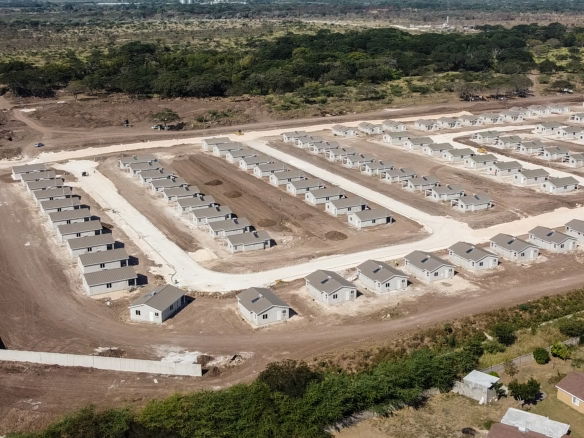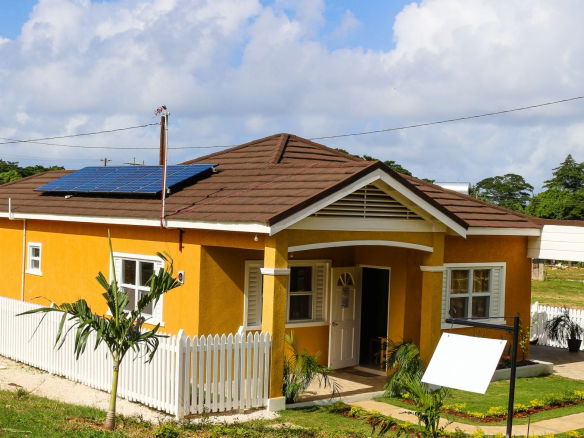

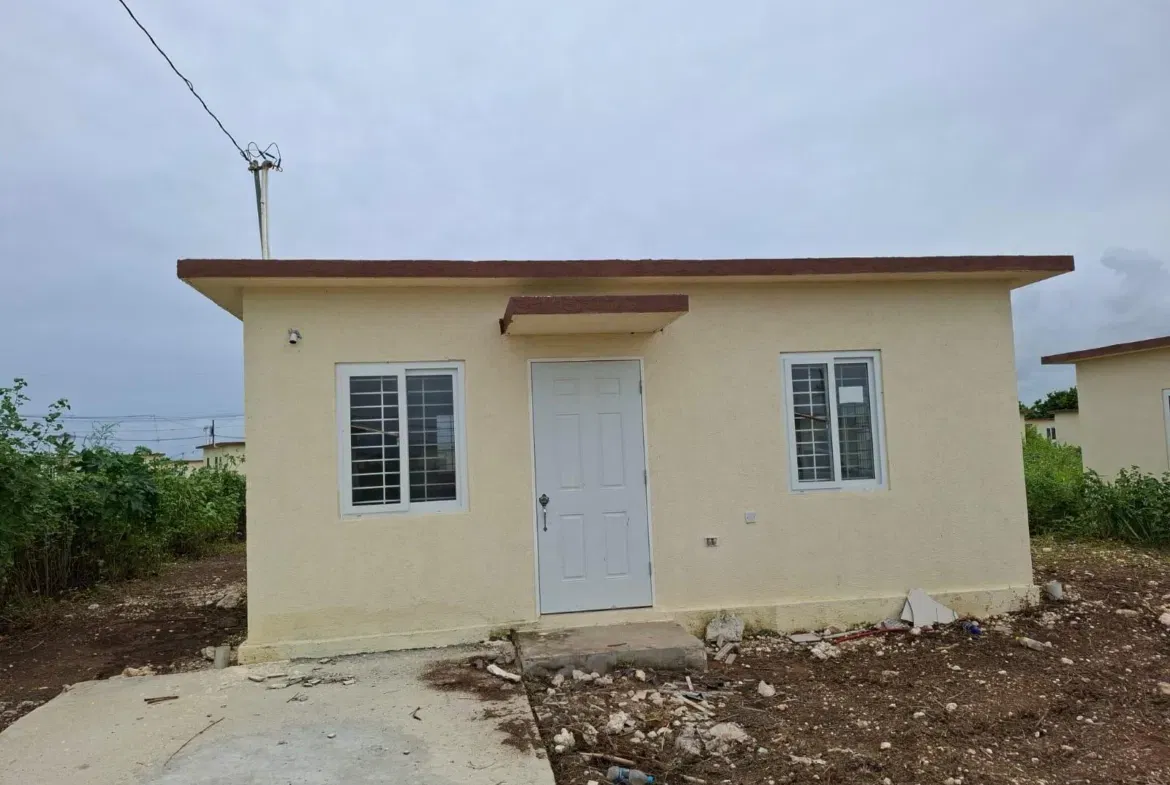
The practice of buying, remodeling, and then reselling homes for a profit is known as “flipping houses,” and it has become more and more commonplace across the globe, including in Jamaica. The island is a desirable place for flipping houses because of its expanding tourism industry, rising housing demand, and conducive real estate investment climate. Nonetheless, flipping houses in Jamaica necessitates meticulous planning, in-depth market analysis, and a solid grasp of the regional real estate market.
Table of Contents
1. Research the Real Estate Market
Understanding the local real estate market is crucial before beginning the process of flipping Houses in Jamaica. Jamaican real estate offers a wide range of options, including rural houses, coastal villas, and urban residences in Kingston and Montego Bay. Every region has distinct characteristics, such as varying levels of demand, property values, and possibilities for expansion.
However, due to their strong infrastructure, an abundance of commercial prospects, and high demand for rentals, urban areas—Kingston in particular—generally yield larger returns. However, because of its allure for foreigners and visitors, places like Montego Bay, Ocho Rios, and Negril are equally profitable. The ideal places to invest can be determined by looking into market trends, comprehending the wants of prospective customers, and identifying areas that are growing.
2. Securing Financing and Setting a Budget
Obtaining financing is essential to flipping Houses. Funding can be obtained in Jamaica through a variety of channels, such as bank loans, collaborations with investors, or personal savings. Local and foreign investors can choose from a variety of mortgage alternatives offered by Jamaican banks, however, they usually have variable interest rates and demand a 10% to 20% down payment. To minimize financial hazards, it is crucial to set a realistic budget that accounts for the purchase price, renovation expenditures, holding costs (such as utilities and property taxes), and unforeseen expenses. Furthermore, it’s critical to have a contingency fund because restoration projects frequently face unforeseen obstacles that drive up prices.
3. Finding the Right Property
The success of flipping houses venture heavily depends on finding the right property. Look for properties priced below market value that have the potential for significant appreciation after renovation. This might include distressed properties, foreclosures, or homes in up-and-coming neighborhoods. Engaging a local real estate agent who understands the nuances of the Jamaican market can be invaluable in identifying such opportunities. Alternatively, online property listings, auctions, and networking with other investors can also help locate potential properties. Once a property is identified, it is crucial to conduct a thorough inspection to assess the extent of repairs and renovations needed and to estimate their cost accurately.
4. Navigating the Legal Process
To guarantee a seamless investing procedure, it is essential to navigate the legal ramifications of property transfers in Jamaica. Hire an experienced lawyer to manage the transaction when buying a home, including title searches, contract reviews, and discussions. According to Jamaican law, the seller and the buyer must hire different lawyers. It’s also essential to comprehend the transaction’s taxes and fees. For instance, sellers are usually liable for real estate commission costs and a 2% transfer tax, while buyers pay a 0.25% registration fee and half of the stamp duty. Avoiding shocks can be achieved by being aware of these legal obligations and expenses.
5. Renovating the Property
The renovation process starts as soon as the property is purchased. The objective is to make reasonably priced upgrades that will raise the property’s market worth considerably. Upgrades to kitchens and bathrooms, curb appeal, interior design, and structural integrity are among the upgrades that offer the best return on investment. Termites, humidity, and heat are common problems in the Caribbean, therefore take into consideration utilizing materials that can resist these conditions given Jamaica’s tropical climate. It is advisable to hire local contractors who are conversant with building rules and procedures in Jamaica. Make sure your renovation plan and deadline are clear, and keep a careful eye on the work to ensure you stay within budget and schedule.
6. Marketing and Selling the Property
The next stage after improvements are finished is to sell the property. This includes pricing the property competitively, arranging the house, and producing eye-catching listings with excellent photos. Reach out to possible purchasers using a variety of methods, such as social media, internet directories, and real estate brokers. To generate interest, think about hosting private viewings and open houses. Knowing how the selling process works in Jamaica is also helpful, as it can be different from other markets. For instance, the necessary legal checks may cause the closing period to be extended. The secret to selling the home at the correct price is perseverance and patience.
7. Understanding Risks and Mitigating Challenges
Like any market, flipping houses in Jamaica is not without its hazards and difficulties. These can include shifts in the housing market, unforeseen repair expenses, postponements in building, and challenges in selling the property. Working with reliable professionals, conducting in-depth market research, creating a flexible plan, and properly budgeting are all necessary for mitigating these risks. It’s also critical to keep up with regional real estate trends, the state of the economy, and any governmental initiatives that may have an impact on the market.
8. Building a Network of Local Professionals
Establishing a robust network of regional experts can greatly enhance the triumph of flipping houses enterprise in Jamaica. Throughout the flipping houses process, real estate brokers, builders, attorneys, property managers, and inspectors are essential sources of information and support. Join investing clubs, go to local real estate events, and use online forums to get in touch with experts who understand the Jamaican real estate market. Building connections with these experts can assist in navigating regional laws, avoiding typical mistakes, and arriving at well-informed conclusions.
For investors who are prepared to put in the time and effort necessary to research the market, obtain finance, select the ideal home, and successfully oversee the renovation and selling procedures, flipping houses in Jamaica can be a lucrative endeavor. Investors can profit from Jamaica’s thriving real estate market and see profitable returns on their investments by adopting a strategic strategy and making use of local knowledge. There will always be difficulties when flipping houses, but they can be lessened with diligent preparation, in-depth study, and a proactive approach to problem-solving.