
Container homes are gaining traction in Jamaica as a sustainable and affordable alternative to traditional housing. While the appeal of lower costs, faster build times, and environmental benefits make them an attractive option, container homes also come with specific safety considerations. This article covers the advantages, potential drawbacks, and essential tips for ensuring safety in container homes, specifically for the Jamaican climate and lifestyle.
The Benefits of Container Homes
- Affordability: Container homes offer a much lower price point compared to conventional construction, reducing the overall cost of home ownership. This is especially beneficial in Jamaica, where real estate and building costs can be prohibitively high for many families. The government and private developers are exploring container homes as a possible solution to the country’s housing challenges.
- Sustainability: Using repurposed shipping containers reduces waste, aligns with global sustainability goals, and lessens the demand for new construction materials. In Jamaica, where preserving natural landscapes is essential, container homes offer an eco-friendly housing option that supports these conservation efforts.
- Quick Construction Time: Container homes can be completed in weeks rather than months, providing a speedy alternative for those seeking immediate housing solutions. This fast construction time is advantageous for people who need emergency housing, such as after a natural disaster, a situation that Jamaica has encountered with hurricanes and severe weather events.
- Durability: Designed to endure harsh conditions at sea, shipping containers provide a robust and weather-resistant foundation for homes. This durability is particularly relevant in Jamaica, which experiences frequent tropical storms and intense weather. Properly secured container homes can withstand high winds and heavy rains better than some traditional structures.
The Safety Concerns of Container Homes
- Potential Toxicity: Shipping containers are often treated with chemicals to prevent corrosion and pest infestations. Some chemicals may pose long-term health risks if they’re not entirely removed. Experts in Jamaica have expressed concerns about chemical residues, such as formaldehyde and pesticides, which can linger and affect indoor air quality.
- Ventilation and Insulation: Metal containers can overheat in warm climates, such as Jamaica’s, if not properly insulated and ventilated. This lack of proper insulation can lead to uncomfortable and potentially dangerous indoor conditions, particularly during peak summer months. Solutions like passive cooling and quality insulation materials are recommended.
- Structural Integrity and Modifications: Creating openings for windows, doors, and other modifications may weaken a container’s structural stability, affecting its resilience in adverse weather conditions. This is especially important in hurricane-prone regions, where improper modifications can pose serious safety risks. Consulting a professional experienced in container conversions is essential.
- Health Risks: Some studies indicate potential health risks from residual toxins in containers. Formaldehyde and other chemicals used in the original construction process can cause respiratory problems and other health issues, underscoring the need for proper detoxification processes before converting containers into homes.
Tips for Ensuring Safety in Container Homes
- Source Containers from Reputable Suppliers: Not all containers are suitable for living spaces. Look for suppliers who specialize in containers certified for habitation, ideally those that have not been exposed to harmful chemicals. Some companies provide certifications and safety documentation that guarantee safe use for housing.
- Invest in Quality Insulation and Ventilation: Proper insulation is critical in managing indoor temperatures and air quality. Look for environmentally friendly, fire-resistant insulation options that can withstand Jamaica’s climate. Additionally, ensure your container home is well-ventilated to prevent heat buildup and maintain healthy airflow.
- Consult with Structural Engineers for Modifications: Work with professionals when adding windows, doors, and other openings to avoid compromising the structural integrity of the container. Local builders in Jamaica who specialize in container homes can guide you in making safe and effective modifications.
- Choose Fire-Resistant Materials: With Jamaica’s warm climate, it’s wise to select fire-resistant materials for insulation to in increased safety. These materials can minimize the risk of fire-related accidents, offering an extra layer of protection.
- Regular Health Inspections: Given the potential risks of lingering toxins, periodic health inspections are advised to maintain a safe and healthy environment inside your container home. Health inspections can help identify any new or worsening issues, ensuring ongoing safety for occupants.
- Protect Against Weather and Natural Elements: Container homes are resilient but still require safeguards against Jamaica’s weather extremes. Ensure that your home is properly anchored to its foundation, and use additional weatherproofing materials to enhance its durability against tropical storms and high humidity.
Are Container Homes Right for Jamaica?
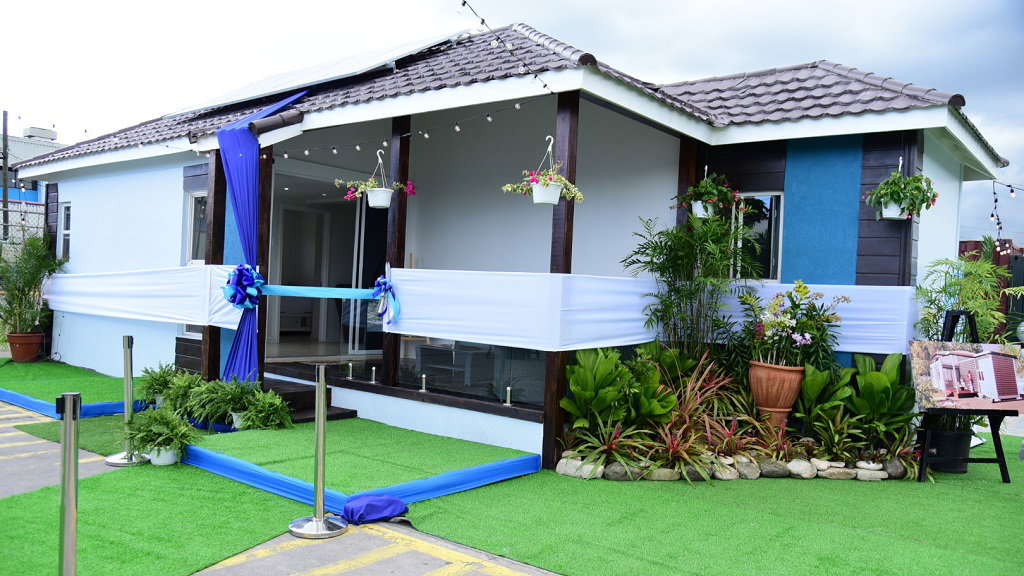
Container homes offer a promising and practical alternative for Jamaicans seeking affordable, sustainable housing solutions. While container homes require thoughtful planning and adjustments to address local climate and health considerations, they represent a feasible path toward home ownership for many. When deciding if a container home is the right choice, consider factors like reputable suppliers, quality construction methods, and adherence to best practices for safe modification.
By addressing potential risks with the right strategies, container homes can provide an affordable and sustainable housing solution tailored to Jamaica’s unique needs and landscape.
Frequently Asked Questions
Are container homes safe for long-term living in Jamaica?
Yes, with proper preparation and modifications, container homes can be a safe option for long-term living in Jamaica. Ensuring the removal of any toxic chemicals, investing in good insulation, and working with professionals for structural changes are key steps for creating a safe container home.
What are the main health concerns of living in a container home?
The primary health concern is potential exposure to toxic chemicals like formaldehyde and pesticides, which may remain from the container’s previous use. Proper detoxification and ventilation can help mitigate these risks, making the home safer.
Do container homes hold up well in Jamaica’s tropical climate?
Yes, container homes are highly durable, as they’re designed to withstand harsh marine environments. However, to ensure comfort and resilience, it’s essential to add insulation, ventilation, and weatherproofing tailored to Jamaica’s hot, humid, and sometimes storm-prone conditions.
How much does it cost to build a container home in Jamaica?
While costs can vary depending on size, modifications, and finishes, container homes are generally more affordable than traditional homes. Their quick construction time and repurposed materials also help reduce costs, making them an attractive option for affordable housing.
Can container homes withstand hurricanes?
With proper anchoring and structural support, container homes can be resilient in high winds. To improve stability, it’s advisable to work with structural engineers who can enhance the home’s durability against extreme weather common to Jamaica.
Interested in container homes. Search our property database for new listings