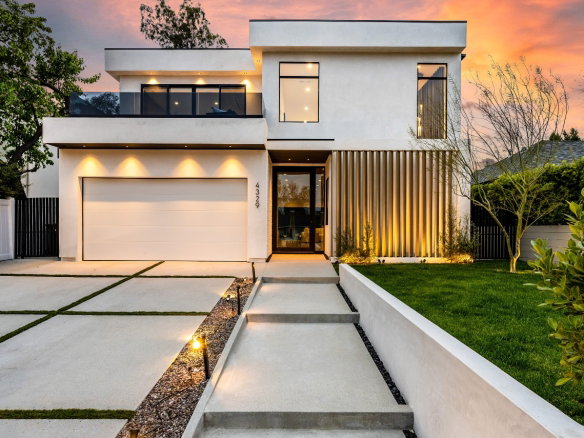

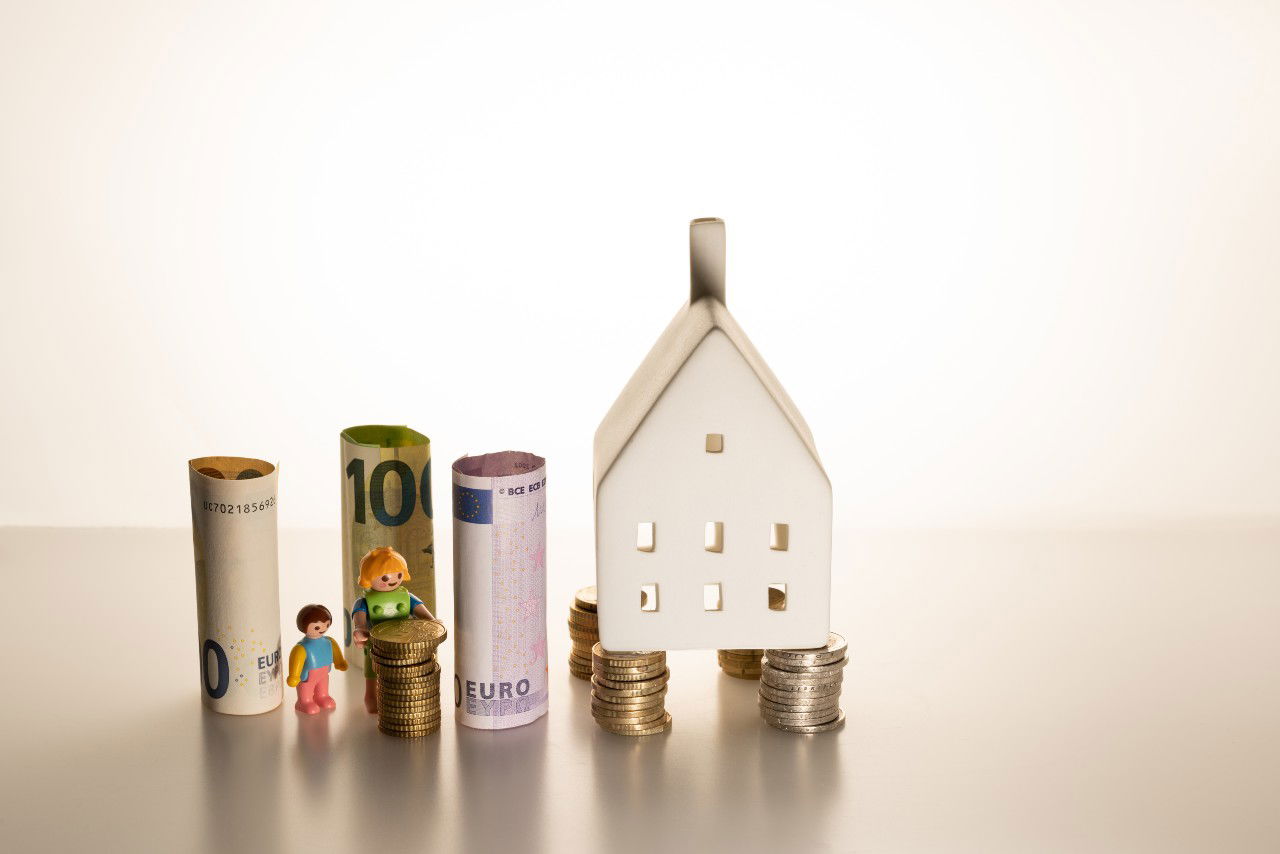
Selling a house is both an exciting and nerve-wracking journey. Most sellers aim to maximize their profit, minimize the time on the market, and avoid unnecessary stress. However, one common pitfall that can derail these goals is overpricing your home.
Proper pricing is crucial to a successful sale. But how can you tell if your asking price is too high? Below are four key indicators that your house may be overpriced and what steps you can take to correct it.
1. Minimal Showings or Offers
A clear sign that your house might be overpriced is the lack of buyer interest. If your house has been listed for several weeks without much activity—few showings and no offers—it likely means buyers feel it’s not worth the asking price. Savvy buyers, especially those familiar with the market, can quickly spot and skip overpriced homes.
Solution: Collaborate with your real estate agent to evaluate your pricing strategy. They may suggest a price reduction to align with market expectations and attract more buyers.
2. Consistent Negative Feedback from Showings
Even if buyers are visiting your property, their feedback might reveal hidden pricing issues. Comments like “It’s nice, but overpriced compared to others” signal that your house isn’t perceived as good value.
Solution: Use the feedback to make adjustments. Your agent can help by comparing your property with similar homes and suggesting updates or staging improvements that justify the asking price.
3. Extended Time on the Market
The longer a house stays on the market, the more likely it is to develop a “stale” reputation. Potential buyers may wonder if there’s something wrong with it, even if the only issue is the price. This can reduce the perceived value of your home, making it harder to sell.
Solution: Ask your agent for insights into the average time homes in your area spend on the market. If your listing exceeds this, it may be time for a price adjustment.
4. Neighboring Homes Selling Quickly
If comparable homes in your neighborhood are selling quickly while yours lingers, it’s a red flag. The difference could be due to outdated features, lack of upgrades, or simply a higher-than-market price.
Solution: Stay informed about local sales trends and competition. Your agent can suggest small upgrades or price corrections to make your home more competitive.
Why Accurate Pricing Matters
Setting the right price is both an art and a science. It requires a thorough understanding of market dynamics and buyer behavior. While overpricing might seem tempting, it often leads to longer listing times and eventual price cuts that can hurt your bottom line.
By working closely with a knowledgeable real estate agent, you can avoid these pitfalls. They’ll provide the data and insights needed to position your home attractively and secure the best possible outcome.
Bottom Line: Don’t let an unrealistic asking price stand in the way of selling your home. Rely on expert guidance to set a price that reflects its true market value and maximizes your chances of a smooth, successful sale.
Are you a buyer? Check out our inventory here.
Frequently Asked Questions
What happens if I price my house too high?
Overpricing your home can deter potential buyers, leading to fewer showings and offers. It may also cause your property to linger on the market, ultimately forcing you to lower the price later, which can hurt your chances of getting the best deal.
How can I determine the right price for my home?
Work with a real estate agent who can provide a comparative market analysis (CMA). This report compares your home to similar properties recently sold in your area, helping you set a competitive and realistic price.
Should I lower my asking price if my house isn’t selling?
If your home has been on the market longer than the average for your area, or if buyer feedback indicates it’s overpriced, a price reduction might be necessary. Discuss with your agent to decide the best course of action.
How does the time of year impact home pricing?
Seasonality can influence buyer demand. For instance, spring and summer tend to see more activity in the real estate market, while fall and winter might have fewer buyers, which could affect your pricing strategy.
Can making small upgrades help justify a higher asking price?
Yes, minor updates like fresh paint, improved landscaping, or modernized fixtures can enhance your home’s appeal and potentially justify a higher price. Your agent can advise on which upgrades offer the best return on investment.