

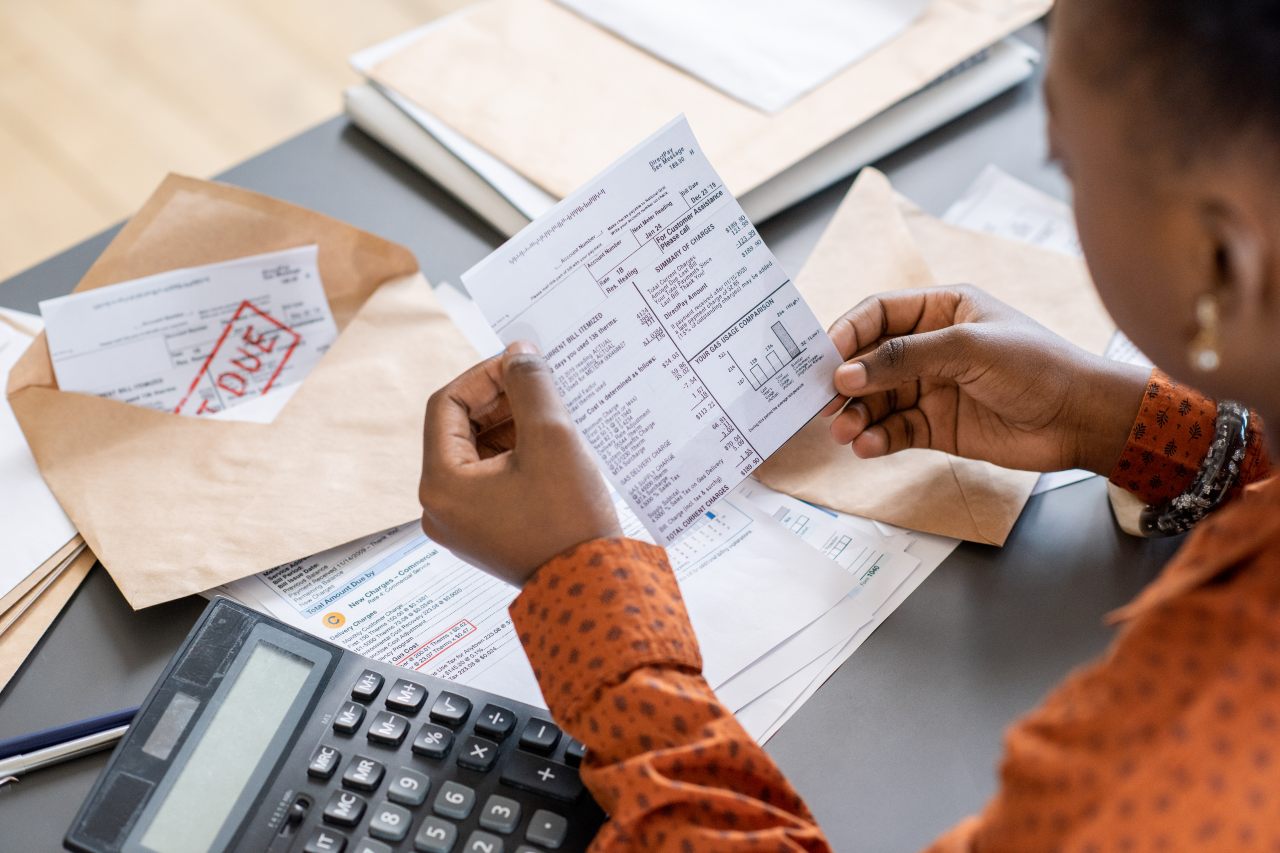
Jamaica is renowned worldwide for its beautiful beaches, vibrant culture, and lush tropical climate. However, one lesser-known fact is that the island has some of the highest electricity rates globally. Many households find themselves burdened by soaring utility bills that can be a real drain on monthly budgets. The good news is that with a few targeted adjustments, especially crucial for property owners and prospective homeowners, you can significantly lower your energy consumption and reduce costs.
Below, we explore eight energy-saving strategies that are particularly effective in Jamaica’s tropical environment. Whether you are a first-time homebuyer in Kingston or a landlord in Montego Bay, these tips can help you optimize your real estate investment while minimizing your ecological footprint.
Table of Contents
1. Turn Off and Unplug Devices When Not in Use
One of the most straightforward ways to start saving on your energy bill is by turning off and unplugging devices when they are not in use. Electronic gadgets often continue drawing power even in standby mode. Known as “phantom load,” this small but constant drain can have a noticeable impact on your monthly bill.
- What to Unplug: Chargers, microwaves, televisions, game consoles, and computers are common culprits. If these devices remain plugged in, they draw power continuously.
- Use Power Strips: Investing in power strips makes the process of unplugging multiple devices easier, as you only need to flip one switch to shut off everything connected.
This simple step can help you stop wasting electricity without requiring any major lifestyle change. Over time, these incremental savings add up, which is especially critical given Jamaica’s high electricity rates.
2. Install Timers and Sensor Bulbs
Another highly effective tip is to use timers and motion-sensor bulbs. Timers allow you to program specific on/off cycles for devices like your refrigerator or water heater.
- Refrigerator Timers: Contrary to what many believe, turning off the fridge for certain hours (for instance, during the night) does not necessarily affect food safety, as modern refrigerators retain cold temperatures for quite a while after they shut off. By managing when your fridge runs, you reduce the total energy it consumes each day.
- Motion-Sensor Bulbs: Perfect for verandas, porches, hallways, or bathrooms, sensor bulbs automatically illuminate when they detect movement. They prevent you from accidentally leaving lights on in rooms or spaces you are not using—especially helpful in larger properties or vacation homes.
For real estate owners looking to cut costs in common areas or shared spaces (like apartment lobbies or corridors), sensor-based lighting can substantially lower the building’s overall electricity expenditure.
3. Optimize Your Refrigerator’s Efficiency
Refrigerators are among the largest energy consumers in the home because they run 24/7. Even a minor improvement in your fridge’s efficiency can make a big difference in lowering your utility bills.
- Temperature Settings: Setting your refrigerator between 1.7°C and 3.3°C keeps food safe without making the unit work harder than necessary. For the freezer, aim for around -18°C to -15°C.
- Check the Door Seal: If the seal around the door is damaged, cold air escapes, forcing the fridge to work overtime. Gently close the door on a thin piece of paper—if it slips out easily, you may have a seal issue.
- Avoid Overloading: Packing too many items impairs air circulation, reducing efficiency. Keep the fridge organized so the cool air can move freely.
Whether you are a homeowner or a property manager in charge of multiple units, ensuring that each refrigerator is kept at optimal settings will translate into immediate and long-term savings.
4. Cook Smart: Efficient Use of Kitchen Appliances
Appliances like electric stoves and ovens can drive up your electricity bill quickly. In Jamaica, where electricity costs are already high, it is worth paying extra attention to how you cook:
- Stove Burners: Turn off burners a few minutes before you finish cooking. The residual heat often suffices to complete the dish.
- Multi-Tasking: If you have already heated the oven, try cooking or baking multiple items simultaneously to maximize energy use.
- Smaller Appliances: Use a microwave, slow cooker, or pressure cooker whenever possible. These appliances generally use less energy than heating up an entire stove or oven.
- Proper Pot Size: Match the size of your cooking pot to the burner to reduce wasted heat.
For landlords and property managers, educating tenants about these practices can help maintain lower communal electricity costs, especially in multi-family dwellings where shared kitchen facilities may be in constant use.
5. Maximize Natural Ventilation and Use Fans Strategically
Jamaica’s tropical climate offers abundant breezes and sunshine. Instead of relying exclusively on air conditioning, take full advantage of natural airflow:
- Open Windows and Doors: During cooler mornings and evenings, letting fresh air circulate can reduce or eliminate the need for mechanical cooling.
- Ceiling Fans: While fans do not cool the air, they enhance comfort by promoting evaporation of perspiration from the skin’s surface. Turn them off when you leave the room to avoid unnecessary electricity usage.
- Fan Placement: If you use standing or portable fans, position them near windows or doorways to help pull in fresh air and push out hot air.
For property developers, designing homes with good cross-ventilation in mind—large windows, open floor plans, and strategic landscaping to channel breezes—can make a significant difference in long-term energy consumption.
6. Manage Air Conditioning Usage Efficiently
Air conditioning is often essential in Jamaica’s hot climate. However, it is also one of the largest contributors to high electricity bills.
- Optimal Thermostat Setting: Keep your AC unit at around 23°C to 25°C. Lower settings consume significantly more energy while often providing only marginally cooler temperatures.
- Combine AC with Fans: If you run both a fan and AC, you can often set the AC a few degrees higher without sacrificing comfort.
- Regular Maintenance: Dirty filters and poorly serviced units consume more electricity. Clean or replace filters monthly, and schedule professional check-ups at least once a year.
- Use Timers: Program your AC to run during the hottest parts of the day and switch off (or lower) during cooler periods, like nighttime.
In real estate developments or condominium complexes, setting central air-conditioning guidelines and ensuring regular maintenance helps keep everyone’s bills lower while maintaining a pleasant living environment.
7. Embrace Solar Solutions
Jamaica is blessed with an abundance of sunlight year-round, making solar power a natural fit for homeowners and real estate developers alike.
- Solar Water Heaters: A solar-powered water heater can drastically cut down on your electricity bill, particularly if you have a large household that consumes a lot of hot water.
- Solar Lighting: Outdoor lighting can run entirely on solar power. Solar lights charge during the day and illuminate your pathways, gardens, or porches at night without adding to your electricity bill.
- Partial Solar Systems: Even if a full solar panel array is too costly initially, consider a smaller system to offset part of your grid consumption. Over time, you can expand it to meet more of your household’s energy needs.
Many new residential developments in Jamaica are incorporating solar solutions, boosting property values and attracting eco-conscious buyers or renters. This is a fantastic long-term investment that pays for itself in energy savings.
8. Upgrade to Energy-Efficient Appliances
Appliances with a high energy-efficiency rating use substantially less electricity while providing equal or superior performance. Look for models sporting the ENERGY STAR label or similar certifications.
- Modern Refrigerators & AC Units: Newer models offer advanced inverter technologies that regulate power usage more effectively.
- LED Lighting: Replacing incandescent or fluorescent bulbs with LED bulbs can reduce lighting costs by up to 75%.
- Smart Home Technology: Consider installing smart thermostats, lighting controls, and energy monitoring systems. These can automatically adjust usage based on real-time conditions, preventing unnecessary waste.
For Jamaican real estate agents and property managers, showcasing energy-efficient appliances can be a strong selling or renting point, as prospective occupants increasingly appreciate lower monthly utility costs.
Final Thoughts
Saving on your energy bill in Jamaica is not only about lowering expenses; it is also a step toward sustainable living. Real estate professionals and property owners who prioritize energy efficiency can enjoy multiple benefits from higher property values to more satisfied tenants. Even better, these strategies do not require huge sacrifices. Simple everyday habits like unplugging electronics or using fans more often can go a long way, while investments in solar solutions and energy-efficient appliances offer large, long-term returns.
Whether you are new to the island or have lived here for decades, these eight practical and affordable tips will help you manage energy costs effectively. Start with small steps, like unplugging unused chargers or setting your AC a few degrees higher and watch the savings accumulate over time.
At Newlocay, we are committed to providing valuable insights that empower you to make the best real estate decisions. Take advantage of these energy-saving tips, reduce your carbon footprint, and enjoy greater peace of mind knowing you are optimizing costs. Jamaica may have some of the highest electricity rates in the world, but armed with the right knowledge and strategies, you can turn that challenge into an opportunity for sustainable, efficient living.
Frequently Asked Questions
How can I reduce my AC usage without sacrificing comfort?
Ceiling or standing fans can circulate cool air effectively, allowing you to set the AC a few degrees higher or use it for shorter periods. Proper insulation and sealing air leaks also help maintain cooler indoor temperatures.
Are solar power solutions really worth the investment in Jamaica?
Yes. Given the country’s abundant sunlight, solar panels and solar water heaters can significantly cut energy costs. While the initial cost may be higher, the long-term savings and reduced dependence on the grid often offset the upfront expense.
Which home appliances consume the most electricity?
Refrigerators, air conditioners, electric stoves, and washing machines typically top the list. Maintaining these appliances; such as cleaning filters and adjusting temperature settings can help reduce overall energy consumption.
What temperature should I set my fridge to for optimal energy efficiency?
Aim for between 1.7°C and 3.3°C (35°F–38°F) for the main compartment and around -18°C (-0.4°F) for the freezer. Ensuring the door seal is tight and not overstuffing the fridge also helps it run efficiently.
How else can I cut electricity costs on a tight budget?
Simple steps—like turning off and unplugging electronics, switching to LED bulbs, and using timers for outdoor lighting or refrigerators—are cost-effective ways to reduce your monthly bill without large initial investments.
Disclaimer: The information provided here is for general guidance and informational purposes only. Any reliance you place on such information is strictly at your own risk. For specific advice tailored to your situation, consult professional electricians, energy assessors, or the Jamaica Public Service Company (JPS) for further assistance.