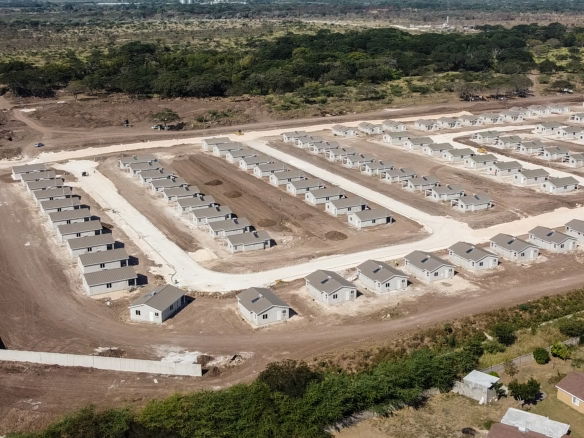

Over the past few years, there has been a growing interest in alternative housing solutions in Jamaica, driven by escalating real estate prices, a burgeoning demand for low-cost housing, and a shift towards sustainable living practices. Among these alternatives, container homes have emerged as a viable solution that promises affordability, quick construction, and environmental sustainability. This article provides a comprehensive overview of the current state of shipping container homes in Jamaica, exploring their adoption, benefits, challenges, and future prospects within the context of real estate.
Table of Contents
What are Container Homes?
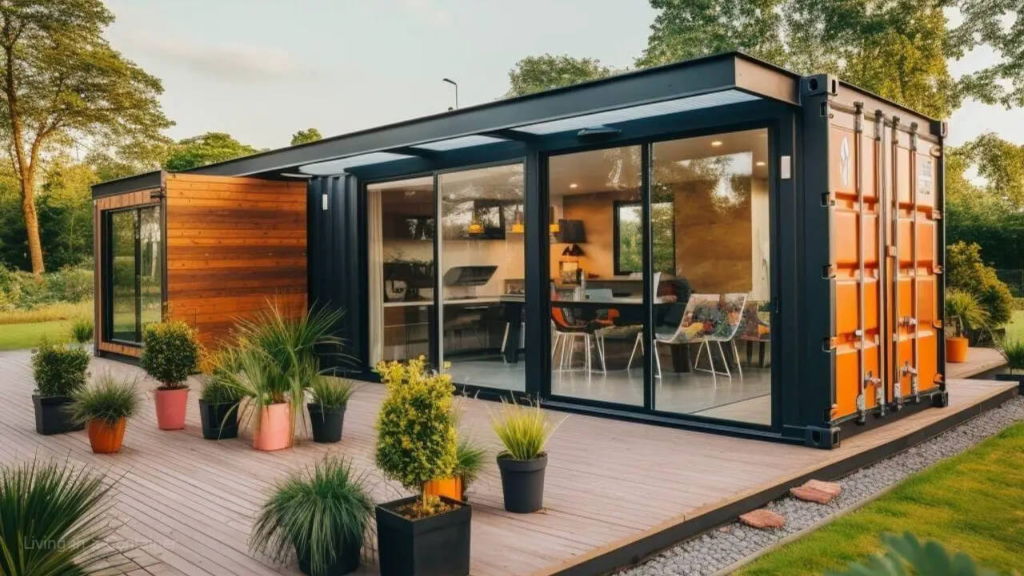
These homes are modular constructions made from repurposed shipping containers that are prefabricated and assembled to create living spaces. Originally popularized in the Netherlands in the 1990s as student housing, they have since gained global traction. They come in standard sizes of 20 and 40 feet and can be modified for various uses, including residential, commercial, and social housing. In Jamaica, container homes are insulated and reinforced to withstand the island’s climate, with options for customization such as interior finishes, exterior cladding, and the inclusion of facilities like air conditioning and solar panels.
Adoption of Container Homes in Jamaica
The adoption of these homes in Jamaica is steadily increasing, driven by both local initiatives and international companies like Green Block Development and Karmod, which have introduced prefabricated container homes as sustainable and affordable housing options. Conroy Blake, a Jamaican-born entrepreneur and CEO of Green Block Development advocates for container home as an alternative for low-income families who cannot afford conventional housing. His company has also established the Green Yard Foundation to further this mission by offering subsidized container homes.
Key Players in the Jamaican Container Home Market
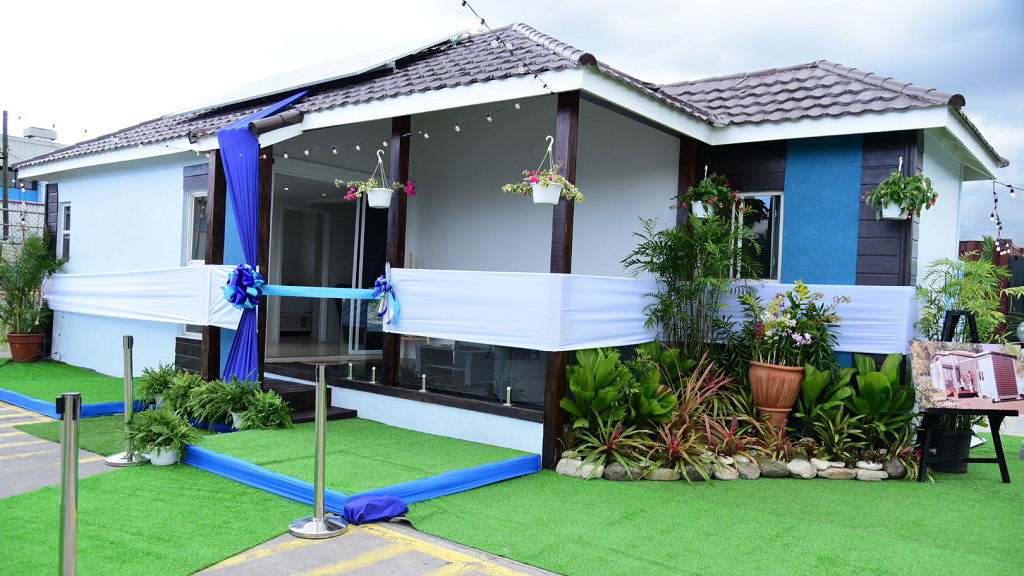
One of the significant players in Jamaica’s container home market is the Kingston Logistics Centre Limited (KLC). KLC has demonstrated its innovative approach to housing solutions by introducing prefabricated “Upcycled Container Homes“, which are now available for sale. The company has launched several models, including the two-bedroom “Mod-Donna,” priced at $8.5 million, which combines a 20-foot and a 40-foot high-cube container to create a 480-square-foot home with a roof, porch, kitchen, living space, and bathroom. The “Mod-Donna” and other models, ranging from one-bedroom to three-bedroom options priced between $2.5 million and $12.5 million, are designed to appeal to middle-income earners and offer flexibility for homeowners to expand their homes by adding more container units as needed.
KLC’s approach emphasizes affordability and adaptability. According to KLC Managing Director Kisha Williams-Hare, the company aims to shift the cultural mindset of Jamaicans towards accepting container home as a viable housing solution, despite the country’s traditional preference for block and steel constructions. To enhance their offerings, KLC has partnered with Alternative Power Sources to provide solar-powered electricity for all its units, supporting a greener and more sustainable way of living. Additionally, KLC has teamed up with local partners like Courts Jamaica Limited, Elegant Creative Glass, and Stephen Jones Landscaping to offer discounts on home accessories and landscaping for potential buyers.
Another major player, West Indies Home Contractors Limited (WIHCON), has invested heavily in research and development to introduce prefabricated steel and container homes to Jamaica’s real estate market. WIHCON’s approach focuses on building modular housing structures to address the overwhelming demand for affordable housing in the low- to middle-income market segment.
Benefits of Container Homes
- Affordability: Container homes are a cost-effective alternative to traditional construction. The raw material – the shipping container – is relatively inexpensive, ranging from $800 to $2,200 in the United States. This translates to lower construction costs, making container homes around 45% cheaper than similarly sized cement homes. In Jamaica, container homes can be purchased for as little as USD 5,000, depending on customization and size.
- Quick Construction: One of the most significant advantages of container homes is the speed of construction. Prefabricated homes can be assembled in as little as four hours once delivered to the site. This rapid build time reduces labor costs and allows for quicker occupancy. WIHCON, for instance, aims to complete developments using modular units in one-third of the time compared to traditional methods.
- Durability and Safety: Shipping containers are designed to withstand harsh ocean conditions, making them extremely durable when repurposed as homes. Properly treated and maintained container homes can last up to 30 years or more. They are also structurally robust, capable of withstanding natural disasters like hurricanes, which is a significant consideration in a tropical climate like Jamaica’s.
- Environmental Sustainability: The repurposing of shipping containers for homes reduces waste by recycling steel that would otherwise be discarded or melted down, saving energy and minimizing environmental impact. Container homes also use fewer new building materials, further lowering their ecological footprint.
Challenges and Concerns
Despite the benefits, there are several challenges and concerns associated with the adoption of container homes in Jamaica:
- Cultural Resistance: One of the main hurdles in the widespread adoption of container homes in Jamaica is cultural. Many Jamaicans have a strong preference for concrete houses, which are seen as more permanent and a symbol of stability and legacy. Companies like WIHCON and KLC are aware of this bias and are investing in marketing and education to change public perception and encourage acceptance of modular housing.
- Health and Safety Risks: Concerns about the potential health risks associated with container homes have been raised by various stakeholders. Shipping containers may have been exposed to hazardous chemicals during their previous use, and if not properly cleaned and sanitized, they could pose a risk to residents. Additionally, the lack of sufficient local data on these risks has led to calls for caution and the establishment of strict safety standards.
- Thermal Comfort: Shipping containers are metal structures that can become extremely hot, especially in a tropical climate like Jamaica’s. Although modern container homes are insulated to mitigate this issue, there are still concerns about the thermal comfort of residents, particularly for vulnerable groups such as children, the elderly, and people with health conditions.
- Regulatory and Permit Challenges: The process of obtaining permits for container homes can be complex, particularly in areas where this type of housing is uncommon. There is also a need for clearer regulations and standards to govern the use of container homes, especially regarding their safety and environmental impact.
Future Prospects of Container Homes in Jamaica
The future of container homes in Jamaica looks promising, but it hinges on several factors, including regulatory support, public acceptance, and effective marketing. As more developers, like WIHCON and KLC, explore modular housing solutions, there is potential for a significant shift in the real estate market toward faster, more affordable, and sustainable housing solutions.
Moreover, container homes could become a key element in addressing Jamaica’s housing deficit, which stands at over 100,000 units. Government initiatives and partnerships with private developers could help overcome existing barriers and create a more favorable environment for the growth of container housing.
Wrapping up
A Container home represents a transformative opportunity for Jamaica’s real estate sector, offering a blend of affordability, sustainability, and rapid construction that aligns with the island’s housing needs. However, for container homes to become a mainstream solution, it is crucial to address cultural resistance, health and safety concerns, and regulatory challenges. With the right policies, public education, and strategic investments, container homes could play a pivotal role in reshaping the future of housing in Jamaica.