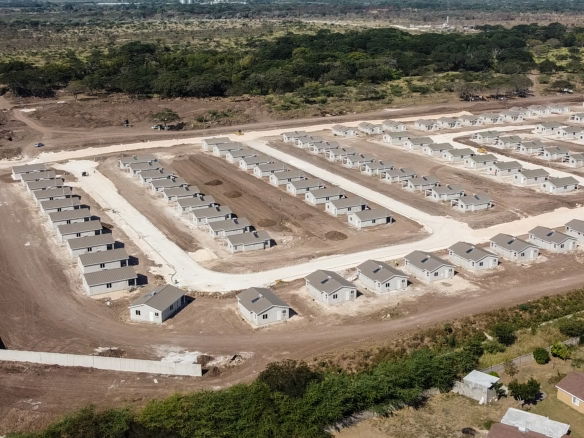


Early Mortgage Payoff: Exploring Strategies, Pros, and Cons
Paying off your mortgage early is an appealing notion for many homeowners. After all, outright ownership of your home can offer peace of mind, eliminate monthly payments, and free up cash for other investments. However, the decision is rarely straightforward. This is especially true in Jamaica, where mortgage terms, interest rates, and the role of the National Housing Trust (NHT) shape the conversation. Below, we explore various factors to consider before deciding to pay off your mortgage early, alternatives to full payoff, and the unique perspective of the Jamaican real estate market.
Table of Contents
The Jamaican Mortgage Landscape
In Jamaica, homeownership often involves long repayment windows. NHT mortgages can run up to 40 years, which means you could be paying off your mortgage until your 70s if you purchase a property at age 30 . Furthermore, private financial institutions may offer loan periods as long as 35 years. Because of these extended terms, some retirees and near-retirees carry mortgages into the later stages of life. This reality underscores why decisions about paying off (or paying down) a mortgage are highly personalized.
How Mortgage Payments Are Structured
When you begin making mortgage payments, you typically pay a large portion toward interest and a smaller portion toward principal. Over time, this ratio shifts, with more of each payment eventually going toward the principal . In other words, during the first several years of your loan, it might feel like you’re paying mostly interest, with the principal barely budging. This dynamic can sometimes motivate homeowners to pay down the loan more aggressively just to get rid of hefty interest costs.
Reasons to Consider Paying Off a Mortgage Early
- Interest Savings
By paying off your mortgage early, you avoid future interest costs. If you have a 30-year mortgage, shortening that timeline could save you millions of Jamaican dollars in interest, depending on your loan amount and rate . - Peace of Mind
For some homeowners, eliminating debt is emotionally freeing. The knowledge that you own your home outright—free of monthly payments—can provide significant stress relief and financial security . - Freeing Up Cash Flow
Without a mortgage payment, you can use your monthly cash flow for other goals, such as saving for retirement, investing in stocks, or acquiring another property. - Retirement Considerations
If you plan to spend your later years without the weight of debt, an early payoff can be part of a long-term strategy. Even if your mortgage extends into your 60s or 70s, ensuring it is fully paid off at some point in retirement can simplify your finances . - Leveraging Equity for Other Investments
Once you have full equity in your home, you may have an easier time securing financing for additional properties or business ventures, as lenders tend to view an unencumbered property as strong collateral .
Drawbacks of Paying Off a Mortgage Early
- Opportunity Cost
Low mortgage interest rates are often considered “good debt,” since the asset real estate may appreciate over time. Money that goes into paying off a low-rate mortgage might have yielded higher returns if invested elsewhere, such as in stocks or a diversified portfolio . - Reduced Liquidity
Once you apply a large lump sum to your mortgage, that cash is not easily accessible. In case of emergencies, converting home equity to cash could require refinancing or selling the property, which can be time-consuming and potentially costly . - Loss of Tax Deductions
In certain jurisdictions, mortgage interest can be tax-deductible (this varies by country and current laws). Paying off your mortgage early means losing that potential deduction advantage, if applicable. - Other Debts May Take Priority
If you have high-interest credit card debt or personal loans, it could be more beneficial to pay those off first. Mortgage interest rates, especially from the NHT or reputable private institutions, can be relatively lower than other forms of debt.
Balanced Approaches: Alternatives to a Full Payoff
Not everyone wants to be entirely mortgage-free right away. Some people find it beneficial to pay down a large portion of their loan to reduce monthly payments, yet still carry a manageable balance that keeps their cash reserves intact. Here are three core strategies, each with its own rationale :
- Pay Off Your Mortgage, Then Invest
Owning your home outright provides financial security. Banks often regard a mortgage-free home as a strong asset, making it easier for you to borrow for additional properties. Once your main home is fully paid, you can pivot to purchasing investment properties. - Pay Down Most of the Mortgage
Some homeowners prefer to knock down their mortgage principal substantially but don’t feel the need to wipe it out completely. This approach lowers monthly obligations and preserves some liquidity. You can maintain a smaller mortgage, which still gives you flexibility for other financial moves. - Stay Leveraged
Some investors argue that mortgages are “good debt” because the interest rates are relatively low and any gains from real estate appreciation or alternative investments could outpace the cost of the loan. By holding on to a mortgage, you can direct extra funds into opportunities like the stock market, mutual funds, or investment real estate.
Paying Off a Mortgage in Retirement
Extending Mortgages Into Retirement
It’s not uncommon in Jamaica to have a mortgage well into your retirement years. For some retirees, the monthly payment is still manageable, and the funds that would have paid off the mortgage might be more fruitful if placed in diversified investments . That said, retirees on a fixed income must consider whether their pension and any savings can comfortably cover ongoing payments.
Strategies for Older Homeowners
- Partial Paydown: Rather than spending retirement assets to clear your mortgage, you could make a substantial payment to reduce your monthly obligations.
- Refinancing or Restructuring: If interest rates drop, you might consider refinancing to secure a better rate and lower payments. Some seniors use their pension lump sum to restructure their loan, ensuring it’s more manageable through retirement .
- Reverse Mortgage or Home Equity Loans: In other countries, retirees sometimes access home equity to supplement their retirement income. However, in Jamaica, this is less common. Thoroughly research any product and consult a financial advisor to understand all implications.
Key Factors to Weigh Before Making Your Decision
- Interest Rate Environment
If mortgage rates rise or your variable-rate loan becomes oppressive, paying down the mortgage early could lead to significant savings over time . - Emergency Fund
Financial experts generally recommend having several months’ worth of expenses saved, especially before funneling extra cash into a mortgage. Emergencies—from medical to job loss—can happen suddenly. - Retirement and Long-Term Goals
Ask yourself if being mortgage-free aligns with your vision for retirement. Some homeowners enjoy the idea of never making a payment again. Others prefer leveraging their home as an asset to fund other investments. - Other High-Interest Debt
Credit card balances or personal loans often carry significantly higher interest rates than mortgages. Eliminate those obligations first to maximize your financial position. - Cash Flow Needs
If you might need funds in the near future—perhaps for a business investment or a child’s education—parking your money in your home could limit your flexibility.
Professional Advice Matters
Since individual financial situations vary widely, consider consulting a certified financial planner or mortgage advisor. A professional can help you evaluate whether an early mortgage payoff is a smart move or if your money could be better invested elsewhere . The key is ensuring any decision aligns with both your short-term cash flow needs and your long-term financial goals.
Conclusion
Deciding whether to pay off your mortgage early can be complex. On one side, you have the promise of eliminating monthly payments and saving on interest. On the other, you face the opportunity cost of tying up capital that could be invested in potentially higher-return ventures. Jamaica’s unique mortgage structures—including decades-long terms and the option to carry a loan into retirement—add further considerations.
A balanced approach might involve paying down most of your mortgage or focusing on higher-interest debts first. Alternatively, staying leveraged with a manageable mortgage rate can be a viable strategy for some who value liquidity and additional investment options. By analyzing interest rates, personal financial goals, retirement plans, and the broader real estate market, you can make an informed choice that positions you and your family for long-term success.
At Newlocay, we understand the many facets of real estate ownership, including the intricacies of mortgage management. Whether you choose to pay off your home, hold on to a low-interest loan for investment growth, or find a middle ground, your strategy should reflect your financial comfort, risk tolerance, and overall life plan. The journey to homeownership, and the decision of how and when to exit your mortgage, is all part of building a stable and prosperous future in Jamaica’s dynamic real estate landscape.
Is it always beneficial to pay off a mortgage early?
Paying off a mortgage early can save interest costs and reduce monthly obligations. However, whether it’s “best” depends on factors like your interest rate, emergency fund, and potential alternative investments.
What should I do first pay off, my mortgage or clear other debts?
High-interest debts such as credit cards or personal loans typically take priority over a mortgage, because you save more money by eliminating the higher interest faster.
Are there penalties for early mortgage payoff in Jamaica?
Early payoff penalties vary by lender. Some mortgage agreements may charge fees for closing out a loan ahead of schedule, so review your contract or consult your financial institution.
Is carrying a mortgage into retirement a bad idea?
Not necessarily. If the monthly payment is manageable and interest rates are low, keeping some mortgage debt can free up funds for investments. Still, the decision should align with your overall retirement plan.
What’s the difference between paying down the principal and making extra mortgage payments?
Paying down the principal specifically reduces the amount you owe, potentially shortening the loan term or lowering your monthly payment if re-amortized. Extra mortgage payments often go toward both interest and principal, so be sure to specify if you want payments applied to principal only.