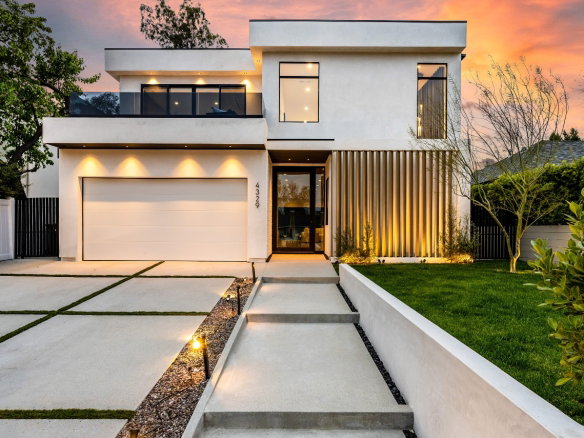


One of the most important things in today’s real estate market is properly displaying a property to draw in potential buyers and guarantee a speedy, profitable transaction. It’s common for buyers to create views about a property listing in the first few seconds, so making a good first impression is crucial. A home that is displayed well may draw several offers, sell more quickly, and perhaps fetch a higher price. This in-depth guide will walk you through the essential processes of staging, marketing, and presenting your property to attract the greatest number of potential purchasers. This post will provide you with the knowledge and skills to present your property in the best possible light.
Table of Contents
Why Presentation Matters in Real Estate
Due to the evolution of the real estate market, where purchasers increasingly begin their search online, first impressions are more important than ever. Potential buyers will see your house for the first time through photos, videos, and virtual tours, so they need to make an impression. Emphasize the positive aspects of your house, downplay any negative aspects, and build a strong emotional bond with potential buyers.
Homes that are well-presented not only sell more quickly but also draw in serious offers, which gives sellers more leverage during negotiations. Buyers have a variety of options in markets that are competitive. They are more likely to give priority to clean, well-maintained, and aesthetically pleasing residences. Even with promise, a poorly presented property is readily ignored; on the other hand, a well-staged and presented home piques interest and inspires imagination.
The Importance of Curb Appeal
Curb appeal refers to how attractive your home looks from the outside. It’s the first thing buyers see when they arrive or view photos online, and it sets the tone for their perception of the entire property. Here are several key ways to improve your home’s curb appeal:
- Tidy Up Landscaping: A well-maintained lawn, trimmed hedges, and pruned trees can significantly boost curb appeal. Planting flowers or adding potted plants by the entryway adds color and charm. Ensure pathways are clean, clear, and inviting.
- Repaint or Clean the Exterior: Faded paint, dirty siding, or grime on windows can make your home look neglected. A fresh coat of paint on the front door, shutters, or siding can work wonders. Power wash driveways, sidewalks, and decks to refresh the appearance of the property.
- Update House Numbers and Fixtures: Small details like outdated house numbers, a rusty mailbox, or worn-out light fixtures can detract from the home’s exterior. Updating these items is an affordable way to create a modern and polished look.
- Focus on the Front Door: The front door is the focal point of your home’s exterior, so make sure it stands out. A bold color, a new door handle, or a seasonal wreath can make it more inviting.
- Ensure Adequate Lighting: Proper outdoor lighting enhances safety and highlights your property’s best features. Install lights along walkways, near the entrance, and around the landscape to create a warm, welcoming glow.
Decluttering and Depersonalizing Your Space
It might be challenging for buyers to see themselves living in a place when it is overrun with clutter and personal items. A property must be decluttered and depersonalized before it can be put up for sale. First, depersonalize the room by taking out sentimental pieces, collections, and family portraits so that prospective purchasers may picture their own possessions there. Maintaining a simple, neutral aesthetic will appeal to a wider variety of tastes. Keeping counters, shelves, and floors clear of excess furniture, trinkets, and other items that can cause a space to appear smaller is crucial.
During viewings, buyers frequently inspect closets and cabinets, so arrange them accordingly. Rooms can feel cozier and more welcoming by using stylish, basic pieces and neutral décor. Lastly, clearing surfaces in areas like kitchen counters and bathroom vanities creates a clean, organized appearance, emphasizing the available space and allowing buyers to focus on the home’s potential.
Professional Cleaning
A clean home is essential when preparing to sell, as it creates a fresh, inviting atmosphere that appeals to buyers. Hiring professional cleaners ensures a deep clean that goes beyond regular tidying, targeting carpets, windows, grout, and hard-to-reach areas for a polished, showroom-like quality. Paying attention to details is crucial, as buyers notice the small things—dust fixtures, scrub floors, and make sure every surface gleams, especially in high-traffic areas like kitchens and bathrooms. Additionally, odor control is vital, as unpleasant smells can turn buyers away. Address any sources of odor, such as pets, food, or smoking, and consider neutralizing the air with subtle, pleasant scents like fresh flowers or natural candles.
Home Staging for Maximum Impact
Staging a home involves arranging furniture and décor to showcase the property’s best features and help buyers visualize how they could use the space. It’s especially important to focus on key rooms such as the living room, kitchen, and master bedroom, as these are the spaces buyers are most likely to remember. Maximizing space through thoughtful furniture placement can make rooms feel more spacious and functional while avoiding overcrowding with too much furniture preventing a cramped appearance. Neutral colors are ideal for staging because they appeal to a wider audience, allowing potential buyers to envision their style in the home—consider repainting bold or bright walls in soft shades like beige, gray, or white.
Adding inviting touches such as a cozy throw on the couch, fresh towels in the bathroom, or a set dining table can make the home feel welcoming, while fresh flowers or indoor plants bring a touch of life to each room. Finally, be sure to highlight special features like built-in shelving, or outdoor living spaces by staging them to emphasize their unique charm and functionality, helping your home stand out from others.
Room-by-Room Tips for Showcasing Your Home
Each room in your home serves a different function, and it’s essential to tailor your presentation strategy to highlight the strengths of each space.
Living Room
- Keep furniture arrangements open and conducive to conversation.
- Highlight natural light by keeping curtains open.
- Use neutral tones with pops of color in pillows or artwork.
Kitchen
- Clear counters of small appliances and clutter.
- Organize cupboards and clean all appliances.
- Add simple, welcoming touches like a bowl of fruit or a vase of fresh flowers.
Bedrooms
- Make the bed the focal point with neutral, attractive bedding.
- Keep closets organized to show ample storage space.
- Remove personal items like clothing, photos, or toys.
Bathrooms
- Scrub tiles, grout, and all surfaces until they shine.
- Add fresh towels, a new shower curtain, and simple, elegant décor.
- Clear out personal products and replace them with minimalistic items, like hand soap and a small plant.
Dining Room
- Set the table with simple place settings.
- Ensure the table and chairs are arranged neatly to highlight space.
- Use a neutral tablecloth and a tasteful centerpiece.
Real Estate Photography: Capturing the Perfect Shot
Real estate photography is a powerful tool for showcasing your property and capturing the attention of potential buyers. High-quality images can set your home apart from the competition and leave a lasting impression on those browsing online listings. To maximize this impact, it’s often worth hiring a professional photographer, as they understand the nuances of lighting, angles, and composition that can make your property shine.
Professional photographers also have the necessary equipment to capture images that appeal to buyers. Using a wide-angle lens is essential in real estate photography, as it allows more of the room to be captured in each shot, making spaces appear larger and more open, which is especially beneficial for smaller rooms like bathrooms or bedrooms. Scheduling the photoshoot during daylight hours is ideal, as natural light brightens rooms and makes them more inviting—be sure to open curtains and blinds to maximize light.
Key features of the property, such as an updated kitchen, spacious backyard, or modern bathroom, should be highlighted in the photos, as buyers are drawn to standout elements. Wide shots of each room are important but also focus on details like high-end finishes or unique architectural features. Lastly, ensure that all the images maintain a consistent look and feel by using a cohesive color palette and lighting, which gives the listing a polished, professional appearance.
Virtual Tours and 3D Showings
In today’s real estate market, virtual tours and 3D showings have become increasingly popular due to the rise in digital interactions, allowing potential buyers to explore properties from the comfort of their own homes. This convenience can attract more serious interest, especially from buyers who are unable to view the property in person. Investing in a virtual tour, which is a digital walkthrough created with 360-degree photos, enables buyers to navigate the home room by room, offering a clear understanding of its layout and flow.
Virtual tours can significantly boost engagement and are especially useful for out-of-town buyers. For an even more immersive experience, 3D showings go a step further, allowing buyers to virtually “walk” through the home as if they were physically there—an increasingly valuable tool as more buyers begin their property searches online. Including a floor plan alongside these virtual options provides additional context, helping buyers visualize the dimensions and layout of the home, and making it easier for them to see themselves living in the space.
Marketing Strategies to Maximize Exposure
Following a flawless presentation of your property, a thorough marketing plan must be put in place to optimize exposure and draw in serious purchasers. To reach a broad audience, start by listing the property on numerous websites, such as MLS. Then, use social media sites, like Facebook and Instagram to target certain demographics with eye-catching posts and advertising.
If you or your agent has access to a list of prospective buyers, email marketing can also be quite successful. Create campaigns that highlight the home’s salient features and high-quality images. A seasoned real estate agent can help you with pricing, negotiations, and connecting with qualified buyers. By leveraging their network and experience, you may increase the effectiveness of your marketing efforts.
Open House and Property Showings
Open houses and private showings allow potential buyers to see your property firsthand and experience its ambiance, so thorough preparation is essential to make a lasting impression. Before each showing, ensure the home is spotless by cleaning up any messes, removing personal items, and keeping surfaces free of dust and clutter. Create a welcoming atmosphere with subtle touches like lighting scented candles.
During an open house, be sure to highlight the property’s special features, such as a newly renovated kitchen, a spacious backyard, or energy-efficient upgrades, so visitors can fully appreciate the home’s value. After showings, collect feedback from potential buyers or their agents to gain insight into what aspects of the home stood out or what might need improvement, allowing you to adjust your presentation or marketing strategy accordingly.
Final Touches: Leaving a Lasting Impression
As you prepare for final showings or the official listing, small details can leave a lasting impression on potential buyers, making your home feel well-cared-for and inviting. Adding fresh flowers to key areas like the kitchen, living room, or entryway provides a pop of color and a fresh scent that creates a welcoming atmosphere buyers are likely to remember. Offering informational packets during an open house or showing can leave a lasting impression as well; including high-quality photos, a description of the home’s best features, and relevant neighborhood information to help buyers connect with the property.
Showcasing your property effectively is one of the most important steps in selling a home. From enhancing curb appeal and decluttering to staging and professional photography, each element plays a crucial role in capturing the attention of buyers. Whether you’re working with a real estate agent or selling your home on your own, following these steps ensures that your property is showcased in its best light, appealing to a wide range of buyers. In today’s competitive market, taking the time to prepare and present your home thoughtfully can make all the difference in achieving a successful sale.