
Purchasing a home is a monumental decision that involves various steps to ensure the property meets your needs, preferences, and safety standards. One of the most crucial steps in the home-buying process is the home inspection. In Jamaica, where the climate, landscape, and infrastructure can differ significantly from other regions, homebuyers must pay particular attention to several factors that may impact the property’s long-term value, livability, and safety.
This comprehensive guide will take you through the essential aspects of a home inspection in Jamaica, covering key areas to consider and the inspection checklist that every buyer should follow before making their purchase.
Table of Contents
Understanding the Importance of a Home Inspection in Jamaica
A home inspection helps buyers identify any potential issues with the property that might not be obvious to the untrained eye. In Jamaica, the tropical climate and coastal location of many homes can lead to specific challenges such as saltwater corrosion, humidity, and even the threat of hurricanes. A thorough inspection ensures that you are aware of any problems that might need to be addressed, which can help you make an informed decision.
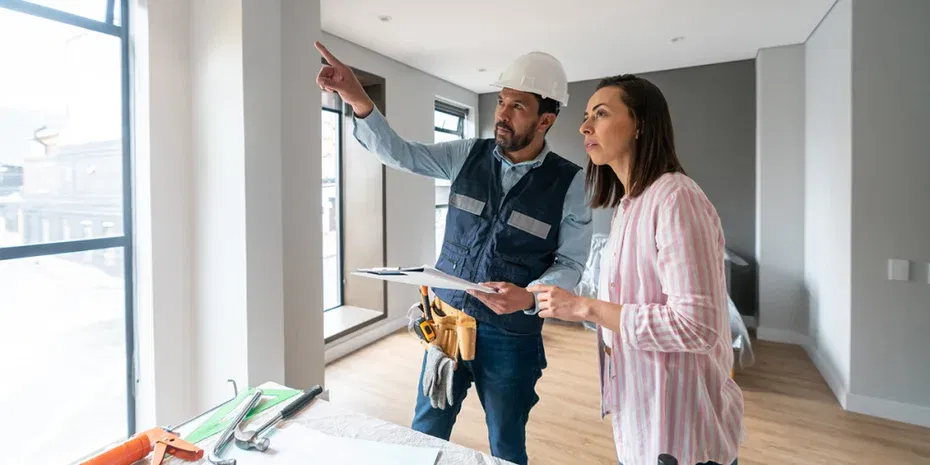
The first step in the process is selecting an experienced, qualified home inspector. In Jamaica, it is essential to hire someone who understands the unique challenges posed by the local environment. Look for inspectors with experience in inspecting homes in the region, and check for certifications, reviews, and references from previous clients. The inspector should be familiar with construction standards in Jamaica and know how to identify issues related to both the foundation and the external elements such as seawalls, roofing, and drainage systems.
The Home Inspection Checklist
Below is a detailed home inspection checklist for buyers in Jamaica. This will help ensure that no crucial aspect of the property is overlooked.
A. Foundation and Structural Integrity
The foundation is one of the most critical parts of a home. In Jamaica, the foundation must be able to withstand the pressure of heavy rains and occasional earthquakes. During the inspection, the following should be checked:
- Cracks and Shifting: Inspect the foundation for any cracks or signs of shifting. Cracks, particularly those around windows, doors, or in the foundation itself, may indicate serious structural issues.
- Water Damage: Check for any signs of water penetration. This is especially important if the property is near a body of water or on uneven terrain.
- Pest Infestation: Termites are a common issue in Jamaica, so it is essential to look for evidence of termite damage, particularly around wooden structural elements like beams and posts.
B. Roof and Ceiling Inspection
The roof is another vital aspect of your inspection, as it protects the entire house from the elements. In Jamaica’s tropical climate, with its frequent rains and strong winds, the roof needs to be sturdy and secure.
- Roof Materials: Ensure the roofing material (whether zinc, concrete, or tiles) is in good condition, with no visible wear or damage.
- Leaks and Moisture: Check for leaks, especially around chimneys, skylights, or vents. Water damage can lead to mold, mildew, and further structural problems.
- Gutters and Drainage: Examine the gutters for blockages, rust, or damage. In Jamaica, proper drainage is crucial to prevent flooding or water damage, especially during hurricane season.
- Ceiling Condition: Look for signs of water stains or discoloration, which can be an indication of a leaky roof.
C. Plumbing and Water Supply
Plumbing is a significant consideration when purchasing any home, but in Jamaica, water supply can sometimes be erratic, especially in rural areas. Make sure that:
- Pipes and Fixtures: Inspect all visible plumbing for leaks or signs of corrosion, especially in areas with older homes or homes near the coastline.
- Water Pressure: Turn on the faucets and check the water pressure. Low pressure could indicate a clog or more serious issue in the plumbing system.
- Septic Tank or Sewage System: In rural areas, homes may rely on septic tanks. Ensure that the tank is functioning properly and that there are no issues with waste disposal.
D. Electrical System
A functioning electrical system is essential to the safety and convenience of your new home. In Jamaica, frequent power outages can strain electrical systems, making it even more important to ensure everything is in working order.
- Wiring and Circuit Breakers: Check for exposed or outdated wiring, which can be a fire hazard. Make sure the circuit breaker is in good condition and properly labeled.
- Outlets and Switches: Test outlets and switches to ensure they work. Ensure that the home has adequate outlets in each room.
- Voltage Fluctuations: If the home is in an area prone to power surges, ensure that the electrical system has surge protection to prevent damage to appliances and electronics.
E. Walls, Floors, and Windows
The condition of the walls, floors, and windows affects the overall comfort and aesthetics of the property. In Jamaica, the humidity can affect materials such as wood and drywall.
- Walls: Look for cracks, peeling paint, or signs of water damage. In some coastal areas, salt from the air can deteriorate materials.
- Floors: Check for uneven flooring or damage to tiles, wood, or carpeting. Sinking or sloping floors could indicate structural issues.
- Windows and Doors: Ensure windows and doors open and close properly. Look for cracks in window panes or seals that may lead to drafts or water infiltration. This is especially important in coastal areas prone to storms.
F. Ventilation and Insulation
Good ventilation and insulation are essential in Jamaica’s hot and humid climate. Improper ventilation can lead to mold growth and poor air quality, while inadequate insulation can result in uncomfortable living conditions.
- Air Circulation: Check for proper ventilation in bathrooms, kitchens, and other areas that may trap moisture. Ensure that exhaust fans are working.
- Ceiling and Wall Insulation: Confirm whether the home is adequately insulated to reduce heat buildup. Insulation can help improve energy efficiency, which is important for keeping utility costs low.
G. Pest Control
Pest infestations are common in Jamaica, especially in rural areas. Look for signs of termites, rodents, ants, and other pests that might affect the property.
- Termite Damage: Check the foundation, beams, and wooden structures for signs of termites or other pests.
- Rodent Access: Ensure that there are no gaps or holes where rodents can enter the home, particularly around doors, windows, and vents.
H. External Features
The exterior of the home should be in good condition, as it can affect the property’s curb appeal and safety.
- Driveways and Walkways: Inspect the condition of the driveway and any walkways leading to the property. Cracks and uneven surfaces can create safety hazards and are expensive to repair.
- Landscaping: Check for overgrown vegetation or trees that may be too close to the house. Overgrown roots or branches can damage the property or create moisture issues.
- Fencing and Gates: Ensure that any fencing or gates are secure and in good condition.
I. Special Considerations in Jamaica
In addition to the typical home inspection considerations, there are specific issues unique to Jamaica that buyers should be aware of:
- Hurricane Preparedness: Ensure that the home is equipped with hurricane shutters or other protective measures to safeguard the property during storm season.
- Coastal Erosion: If the property is near the coast, check for signs of erosion that could affect the stability of the home or property value in the future.
- Building Codes: Ensure that the home complies with local building codes. This is especially important for older homes or homes built in areas with particular construction challenges.
Negotiating Repairs Based on Inspection Results
After the inspection, the buyer should receive a detailed report outlining all the findings. If the inspection uncovers significant issues, buyers can negotiate with the seller to repair these issues or lower the purchase price accordingly. Depending on the severity of the findings, buyers might also choose to walk away from the deal.
Conclusion
The home inspection is one of the most important steps in the home-buying process. By using this checklist and hiring a qualified home inspector, you can ensure that your new home in Jamaica is safe, structurally sound, and free from costly repairs. Understanding local challenges like humidity, termites, and hurricane risks will help you make a well-informed decision and protect your investment. Whether you’re purchasing a cozy cottage in the hills or a beachfront property, a thorough home inspection will give you the peace of mind you need to enjoy your new Jamaican home for years to come.